
Get A Precise Business Insurance Quote For Your Drywall Contractor Company
It Just Takes A Few Clicks
Or Talk To One Of Our Specialists At (440) 826-3676
Drywall Contractor Insurance That Protects Your Crew, Your Tools, and Your Business
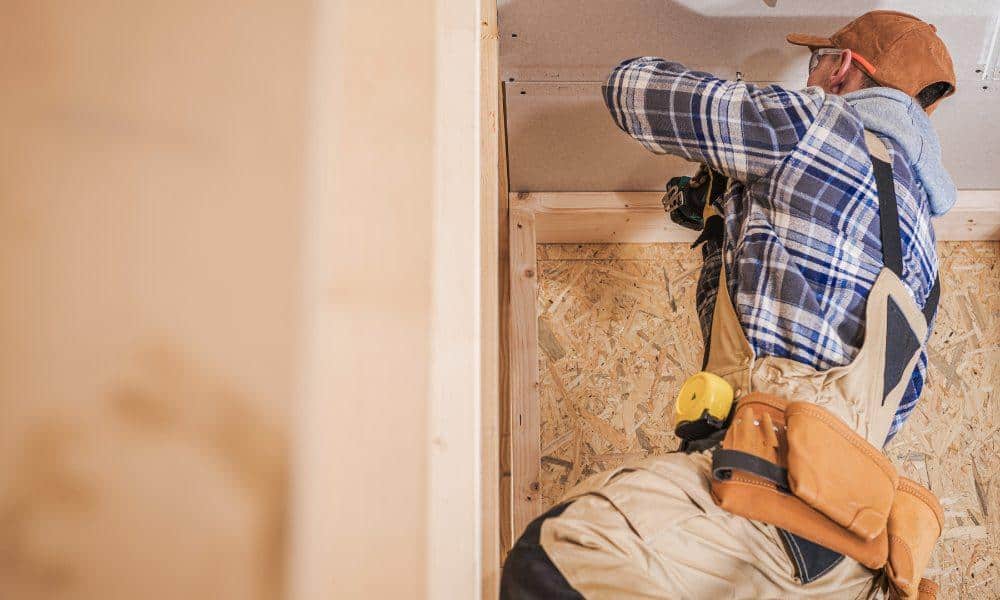
Your Drywall Business Faces Real Risks Every Day — The Right Insurance Keeps You Working
A crew member falls from stilts while finishing a ceiling. A subcontractor you hired damages another trade’s completed work. A GC calls to say your certificate of insurance expired, and suddenly you’re pulled off the project until the paperwork is current. These things happen fast, and they get expensive even faster.
The National Safety Council reports that the average nonfatal workplace injury costs around $42,000 once you factor in medical bills, lost wages, and productivity losses. For a drywall company running tight margins, one uninsured claim doesn’t just sting, it can shut everything down.
At The Allen Thomas Group, we’ve spent over 20 years helping drywall contractors find the right coverage without confusion or the runaround.
We’re an independent agency licensed in 27 states, so we compare options from multiple top-rated carriers to build a policy program that fits your operation, whether you’re a sole proprietor working residential remodels or managing crews across commercial and multi-family projects.
Our Carrier Partners
That allows us to find the best rates for our local contractors and construction companies.


Getting The Right Insurance For Your Drywall Contractor Business
We know how frustrating and complex the process of finding the right coverage and getting a COI can be and how it slows down your ability to care for your customers.
Let us help fix it for you in 3 easy steps.

Tell us about your specific needs and we will find the right policy for you.

Review the results of our search.

We will walk you through your new policy step by step.
What Does Drywall Contractor Insurance Cover?
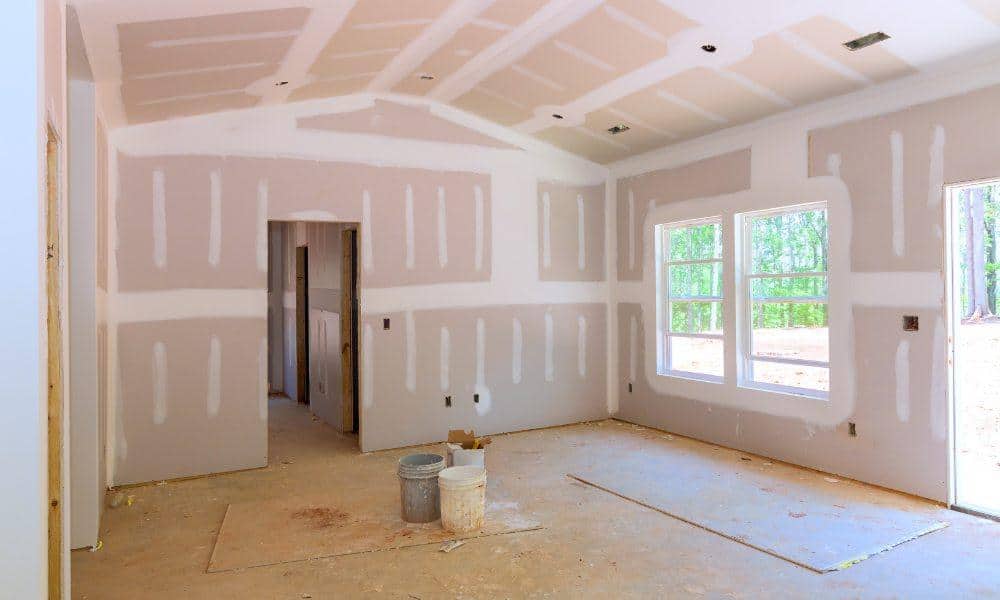
There’s no single policy called “drywall contractor insurance.” It’s a combination of commercial coverages, each protecting a different part of your business. What you need depends on crew size, revenue, project types, and the states where you work.
General Liability Insurance
General liability is your foundation. It protects you when a third party gets injured on the job site or your crew damages a client’s property. It covers bodily injury claims, property damage, and legal defense costs.
The part many drywall contractors overlook is completed operations coverage. Cracks appear in finished walls months later. Moisture builds behind a partition. A fire-rating issue surfaces during inspection long after your crew has moved on. Completed operations responds to those delayed claims — and most GCs require it. Expect to carry at least $1 million per occurrence and $2 million aggregate to win commercial bids.
Business Owner's Policy (BOP)
A BOP bundles general liability with commercial property insurance at a discounted rate. For smaller drywall operations, it’s often the smartest starting point — essential coverages in one package, one bill, one renewal date. Many BOPs include business interruption insurance, covering rent, payroll, and utilities if a fire, storm, or theft temporarily stops your operations.
Commercial Auto Insurance
Every drywall contractor uses trucks to haul gypsum board, joint compound, tools, and sometimes crew members from site to site. Your personal auto policy won’t cover accidents that happen while driving for work. Commercial auto covers vehicle damage, medical expenses, third-party liability, and hired and non-owned auto situations when employees use personal vehicles on company business.
Workers' Compensation Insurance
Drywall work is hard on the body. It’s repetitive. It’s physical. Your crew lifts panels weighing 50 to 80 pounds, works at height on stilts and scaffolding, operates power tools in tight spaces, and breathes respirable crystalline silica dust during sanding operations. OSHA has made silica enforcement a national priority — issuing 590 silica-related citations to construction employers in fiscal year 2024 alone.
Common injuries include falls from stilts and ladders, back injuries from repetitive lifting, cuts from utility knives and power tools, and respiratory illness from prolonged dust exposure. Most states require workers’ comp before you can legally hire employees. It covers medical treatment, lost wages, rehabilitation, and includes employer’s liability protection against employee lawsuits.
Skip it, and you face personal liability for every medical bill, plus state fines, stop-work orders, and the loss of your ability to bid on projects.
Inland Marine — Tools and Equipment Coverage
Screw guns. Drywall lifts. Stilts. Banjo tapers. Flat boxes. Power sanders. Your specialized tools add up fast, and job sites are magnets for theft, construction site losses exceed $1 billion annually across the industry.
Standard general liability does not cover your own equipment. Not on the job site. Not in your truck. Not in storage. Inland marine coverage protects your tools whether they’re in transit, on site, or in a locked trailer.
Umbrella and Excess Liability Insurance
Large commercial projects, multi-family buildings, and government contracts often require liability limits of $5 million or more. Umbrella insurance sits on top of your general liability, commercial auto, and employer’s liability policies — activating when underlying limits are exhausted. It gives you access to bigger, more profitable projects without a dramatic premium increase.
Why Drywall Contractors Need Specialized Coverage
Drywall carries risks distinct from other construction trades. Your coverage should reflect the realities of your specific work — not a generic policy built for someone else’s business.
- Falls from height remain the number one killer in construction. In 2024, falls, slips, and trips accounted for 389 construction deaths — 38% of all workplace fatalities in the industry, according to the Bureau of Labor Statistics. Your crew works on stilts, scaffolding, and ladders every day.
- Silica dust exposure is an escalating regulatory and health risk. Sanding drywall joints generates fine crystalline silica particles linked to silicosis, COPD, lung cancer, and kidney disease. OSHA’s permissible exposure limit is 50 micrograms per cubic meter, and enforcement actions are increasing.
- Subcontractor liability can blindside you. If a sub you hired causes damage and doesn’t carry insurance, the claim flows uphill to you as the hiring contractor. Require certificates of insurance, additional insured endorsements, and hold harmless agreements from every sub — before they start work.
- Tool theft is constant. Specialized drywall finishing equipment is expensive, portable, and easy to walk off a job site. Without inland marine coverage, every stolen tool comes out of your pocket.
- Completed operations claims surface months or years after a project wraps. Nail pops. Tape failures. Moisture damage behind walls. Fire-rating deficiencies found during inspections. Your GL policy’s completed operations coverage handles these — but only if your limits are adequate.
In 2024, construction workers experienced 1,032 on-the-job fatalities and the industry’s fatality rate remained nearly three times the national average. Proper drywall contractor insurance isn’t optional. It’s a business necessity.
How We Make Drywall Contractor Insurance Simple
Insurance shouldn’t feel like a second job. You already have one.
Tell us about your business
Crew size, revenue, project types, states of operation, current coverage. No marathon applications, we ask what matters and skip what doesn’t.
We compare options across multiple carriers
As an independent agency, we shop your program across top-rated carriers who specialize in construction risks. Competitive pricing, right coverage, no hours wasted calling around.
Get covered fast
We explain everything in plain language. Once you decide, policies activate quickly and certificates of insurance are ready — often within 24 hours.
We stay with you
Renewals. Mid-term adjustments. Additional insured endorsements. New-state expansions. Certificates when a GC needs one yesterday. Claims advocacy when something goes wrong. This isn’t a transaction — it’s a relationship that grows alongside your business.
Protect Your Drywall Business Today
You built this business with early mornings and hard work. The right insurance makes sure one bad day doesn’t unravel what took years to create.
With 20+ years of experience and coverage across 27 states, The Allen Thomas Group makes protecting your crew, your tools, and your livelihood simple.
Get your free drywall contractor insurance quote today. Call us at (440) 826-3676 or fill out the form on this page, and we’ll have options in your hands before you know it!
Frequently Asked Questions
How much does drywall contractor insurance cost?
It depends on crew size, revenue, payroll, claims history, and where you operate. Ballpark figures: general liability averages $57/month, workers’ comp averages $269/month, a BOP averages $118/month, and inland marine runs about $14/month. We provide customized quotes — typically within 24 hours.
What insurance do GCs require from drywall subs?
Most require general liability with $1M/$2M limits, a current certificate of insurance naming them as additional insured, workers’ comp, and commercial auto. Larger projects often require umbrella coverage at $5M+, waivers of subrogation, and primary and non-contributory endorsements. We help you understand the requirements before you show up on site.
Do I need workers' comp as a sole proprietor?
State rules vary. But even where it’s not mandated, your personal health insurance can deny claims for work-related injuries. You fall off stilts and your health plan may refuse to pay. Workers’ comp covers work injuries — that’s what it’s for. And many GCs won’t hire you without it, regardless of state law.
Does general liability cover my tools?
No. GL covers third-party injuries and property damage — not your own equipment. A stolen $3,000 set of finishing tools won’t be reimbursed by your GL policy. You need a separate inland marine policy, which runs about $14/month for most drywall contractors.
Does workers' comp cover silica-related illness?
Yes. Workers’ compensation covers occupational illnesses, including respiratory conditions from silica dust exposure. If an employee develops silicosis or COPD from drywall sanding work, workers’ comp pays for treatment, diagnostics, and a portion of lost income. Compliance with OSHA’s silica standard also strengthens your defense and can positively influence your experience modification rate at renewal.