
Alabama Tools and Equipment Insurance
Independent agency shopping tools and equipment (inland marine) insurance across Alabama. Real options across 15+ A-rated carriers. Clear coverage explanations, fair pricing, precise quotes from an independent, family-owned agency that has been doing this since 2003.
Shopping 15+ A-Rated Carriers For You


Last Updated: July 16, 2026
What a Tools and Equipment Floater Covers in Alabama
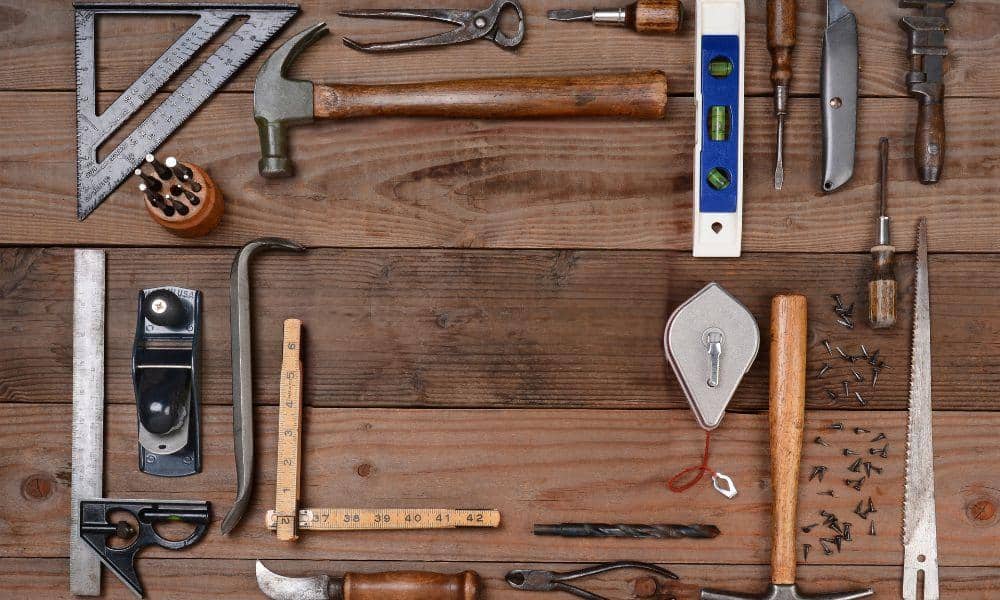
Tools and equipment insurance is an inland marine floater that pays to repair or replace a contractor’s portable tools and machinery when they’re stolen, damaged, or destroyed away from a fixed business address.
How The Allen Thomas Group Can Help You
If you’re a contractor in Alabama who owns tools, machinery, or equipment that leaves a fixed job site or shop, The Allen Thomas Group is an independent, family-owned agency that shops tools and equipment coverage on your behalf across 15+ A-rated carriers, including Travelers, Liberty Mutual, Progressive, Cincinnati, Auto-Owners, Western Reserve Group, AmTrust, and Hartford, and builds a precise, no-obligation quote around exactly what you need covered, not a generic number.
Standard commercial property insurance covers property at a fixed location; it was never built for a table saw riding in a truck bed to a job site in Birmingham one day and Huntsville the next. Once your equipment leaves your shop, a commercial property policy’s coverage territory typically stops following it, which is exactly the gap a tools and equipment floater is designed to close.
For Alabama contractors juggling multiple active jobs at once, that portability matters more than almost any other feature of the policy, because a single stolen compressor or generator can shut down a crew until it’s replaced. A typical Alabama tools and equipment floater responds to:
- Theft from job sites and locked vehicles
- Damage in transit between locations
- Accidental drops and breakage
- Vandalism
- Fire
- Weather-related losses
The Allen Thomas Group is an independent, family-owned insurance agency that shops tools and equipment coverage for Alabama contractors across 15+ A-rated carriers, including Travelers, Liberty Mutual, Progressive, Cincinnati, Auto-Owners, Western Reserve Group, AmTrust, and Hartford, and builds a precise, no-obligation quote around exactly what you need covered, not a generic number. Get a precise Alabama tools and equipment insurance quote or call (440) 826-3676 to speak with an agent directly. We know which carriers price this coverage correctly for Alabama contractors and which ones underwrite gaps around rented equipment, mysterious disappearance, or high-value scheduled items.
Alabama Contractor Licensing and How It Ties to Equipment Coverage
Commercial vs. Residential Licensing
Alabama splits contractor licensing between two boards depending on the type of project. The Alabama Licensing Board for General Contractors (ALBGC), under Code of Alabama Title 34, Chapter 8, licenses general contractors for commercial and public work valued at $50,000 or more. The Alabama Home Builders Licensure Board (HBLB) separately licenses residential home builders for single-family and small residential work.
Several trades carry their own dedicated licensing outside these two boards. Electrical contractors are licensed through the Alabama Electrical Contractors Board (AECB), which requires a minimum of 8,000 hours of documented experience before an applicant can sit for the unlimited contractor exam. Plumbing and HVAC work in Alabama is largely regulated at the local or county level rather than through a single statewide board, so requirements vary by jurisdiction.
Why the Two-Board System Matters for Equipment Coverage
That commercial-versus-residential split matters for insurance because the two boards imply different job profiles and different equipment exposure. A commercial general contractor working ALBGC-licensed jobs tends to run larger crews and heavier equipment across bigger sites, while an HBLB-licensed home builder’s tool inventory skews toward finish and framing tools moving between smaller residential lots.
Either way, whether your license comes from the ALBGC, the HBLB, the AECB, or a county permitting office, the equipment exposure is real and largely the same: tools and machinery move between job sites and are exposed to theft and damage regardless of which agency issued your license.
Alabama Mechanics Lien Law and Financed or Leased Equipment
Notice, Filing, and Enforcement Deadlines
Alabama’s mechanics and materialmen’s lien statute, Code of Alabama Title 35, Chapter 11, Article 5, Division 8, gives contractors, subcontractors, and material suppliers a lien right against the property they improve when they aren’t paid.
Under Section 35-11-215, an original contractor generally must file a verified statement of lien within six months of the last date labor was performed or materials furnished. Subcontractors and material suppliers must file within four months, and journeymen or day laborers within 30 days.
Once the lien is filed, the claimant generally has six months from maturity of the debt to file suit to enforce the lien, or the lien can become unenforceable.
Why This Matters for a Tools and Equipment Policy
Why does this matter for a tools and equipment policy? Financed and leased equipment is frequently the collateral behind both the equipment loan and, indirectly, the contractor’s ability to complete the job that would otherwise trigger lien rights.
If a scheduled piece of equipment, such as a skid steer, a boom lift, or a generator, is stolen or destroyed mid-project, the resulting delay can cascade into missed completion deadlines, disputed payment applications, and lien filings on both sides.
Carrying agreed value coverage on financed or leased equipment, and confirming your lender or lessor is listed as loss payee, keeps an equipment loss from turning into a payment dispute that then turns into a Title 35 lien fight. This is a general summary for insurance-planning purposes, not legal advice: talk to an Alabama attorney about how Title 35, Chapter 11 applies to a specific project or contract.
Key Terms Defined
- Scheduled Equipment
- Specific, individually listed pieces of equipment, each with its own description and stated value, added to your policy by name. Scheduling high-value or financed items removes any dispute about what was covered and at what amount when a claim happens.
- Unscheduled Equipment
- Smaller tools and equipment covered under a blanket limit rather than listed individually, useful for hand tools and lower-value items that change or rotate too often to schedule one by one.
- Agreed Value
- A coverage basis where you and the carrier agree on an item’s value at the time the policy is written, so a covered loss pays that stated amount without a depreciation deduction, important for financed or leased equipment where the loan balance may not track actual cash value.
How Much Does Tools and Equipment Insurance Cost in Alabama?
Premium for an Alabama tools and equipment floater is driven primarily by the total value of equipment scheduled, the mix of owned versus rented/leased equipment, job site theft exposure in your operating area, and claims history. The illustrative ranges below reflect what similar Alabama contractors typically see. Your actual quote depends on your specific equipment values, trade mix, and the carrier’s appetite for your class of business.
| Trade Type | Typical Annual Premium Range | Primary Cost Drivers |
|---|---|---|
| General Contractor | $800 – $2,500 | Broad tool mix, multiple simultaneous job sites, subcontractor equipment overlap |
| Electrical / Plumbing / HVAC Contractor | $1,000 – $3,000 | Higher per-item value diagnostic and specialty tools, AECB-licensed electrical work |
| Landscaping / Excavation | $1,200 – $3,500 | Outdoor storage exposure, mower and small-equipment theft frequency |
| Heavy Equipment / Excavation Contractor | $2,500 – $8,000+ | High individual equipment values, financed/leased machinery, transport risk |
| Specialty / Finish Trades | $600 – $2,000 | Lower per-item values, portable power tools, frequent job-to-job movement |
| Equipment Rental Operations | $2,000 – $6,000+ | Third-party care/custody/control exposure, unknown renter handling, higher claim frequency |
These are illustrative starting ranges, not quotes. We shop multiple A-rated carriers to find the actual number for your business.
Coverage by Contractor Type
General Contractors
General contractors licensed through the ALBGC typically carry the broadest and most varied tool inventory of any trade, including power tools, hand tools, scaffolding, and small generators, spread across every active job. A blanket unscheduled limit usually covers the bulk of this inventory, with higher-value items scheduled separately. See our Alabama Contractors Insurance and General Contractor Insurance pages for the full coverage picture alongside your equipment floater.
Electrical Contractors
Electrical contractors licensed through the AECB tend to carry more specialized and higher-value equipment per item, including diagnostic meters, conduit benders, and power tools rated for commercial work. Scheduling these items individually with agreed value coverage avoids underinsurance disputes if a piece is stolen or damaged mid-job.
Heavy Equipment and Excavation Contractors
Excavation and heavy-equipment operators carry the highest individual equipment values of any Alabama trade, including skid steers, excavators, and compactors, and much of it is financed or leased. Agreed value coverage with the lender or lessor named as loss payee is the standard approach here, particularly given how a mid-project equipment loss can cascade into the payment and lien issues discussed above under Title 35, Chapter 11.
How an Alabama Equipment Theft or Damage Claim Gets Paid
Filing a tools and equipment claim in Alabama generally follows the same sequence regardless of carrier, though specific timelines vary by policy:
- Report the loss immediately. For theft, file a police report with the local department where the loss occurred. Most carriers require this before they’ll open a claim.
- Notify your agent or carrier. Most policies require prompt notice; waiting too long can complicate the claim even when the loss itself is covered.
- Document what was lost. Provide proof of ownership: purchase receipts, serial numbers, photos, or the scheduled-equipment list on your policy, to establish exactly what was covered and at what value.
- An adjuster reviews the claim. The adjuster confirms the cause of loss is covered and determines the settlement basis: agreed value (the stated amount on your schedule) or actual cash value (replacement cost minus depreciation) for unscheduled items.
- Payment is issued. Funds go to you, or to your lender or lessor as loss payee if the equipment was financed or leased and that endorsement is on the policy.
Frequently Asked Questions
What’s the difference between scheduled and unscheduled equipment on my Alabama policy?
Scheduled equipment is individually listed on your policy with its own description and value, typically your higher-value or financed items. Unscheduled equipment falls under a blanket limit and covers smaller tools that rotate or change too frequently to list one by one. Most Alabama contractors carry a mix of both.
Does my policy cover theft or “mysterious disappearance” of tools from a job site?
Yes, most tools and equipment floaters cover theft from job sites and locked vehicles. Mysterious disappearance, when equipment simply can’t be accounted for with no clear evidence of a break-in, is a common cause of loss on Alabama job sites, and many carriers include it, though some limit it for unattended or unsecured equipment. We confirm this specifically when we shop your quote.
What’s the difference between actual cash value and agreed value coverage?
Actual cash value pays replacement cost minus depreciation, which can leave you short if a piece of equipment is several years old. Agreed value locks in a stated amount at the time the policy is written, so a covered loss pays that full amount with no depreciation deduction, which matters most for financed or leased equipment where the loan balance doesn’t track depreciated value.
Does the floater cover equipment I rent or lease for a job?
Yes, in most cases. If you’re contractually responsible for rented or leased equipment while it’s in your care, custody, or control, a tools and equipment floater can extend coverage to it. Confirm the specific limit and whether your rental or lease agreement requires you to name the equipment owner as an additional insured or loss payee.
Why does a general contractor’s equipment contract or COI ask for specific coverage limits?
General contractors and property owners frequently require subcontractors to carry minimum tools and equipment or inland marine limits before allowing them on a job site, and they’ll ask for a certificate of insurance (COI) proving it. Having your floater set up correctly, and being able to produce a COI quickly, keeps you from losing a job over a paperwork delay.
Does ALBGC or HBLB licensing affect my tools and equipment coverage needs?
Indirectly, yes. The Alabama Licensing Board for General Contractors licenses commercial work of $50,000 or more, while the Home Builders Licensure Board licenses residential home builders, and the Alabama Electrical Contractors Board separately licenses electrical work. Each trade tends to carry a different equipment profile, and higher-value specialty tools are good candidates for individual scheduling rather than a blanket limit.
Why does Alabama’s mechanics lien law (Title 35, Chapter 11) matter for my equipment insurance?
Financed or leased equipment is often collateral behind both an equipment loan and, indirectly, your ability to finish a project that would otherwise trigger lien rights under Title 35, Chapter 11. If that equipment is stolen or destroyed mid-project, the resulting delay can turn into a payment dispute and a lien filing. Agreed value coverage with your lender or lessor named as loss payee helps keep an equipment loss from cascading into a lien fight.
How is this different from my commercial property insurance?
Commercial property insurance covers property at a fixed location, like your shop or warehouse. A tools and equipment floater follows your equipment wherever it’s working, including job sites, vehicles, and storage yards across Alabama, which is where most contractor equipment actually spends its time. Most Alabama contractors need both policies working together, not one instead of the other.
Ready for coverage built around your risk?
Get a precise quote that actually meets your needs, not a rushed guess. Talk to an agent or start online; either way, we take the time to get your coverage right.