
Pawn Shop Insurance
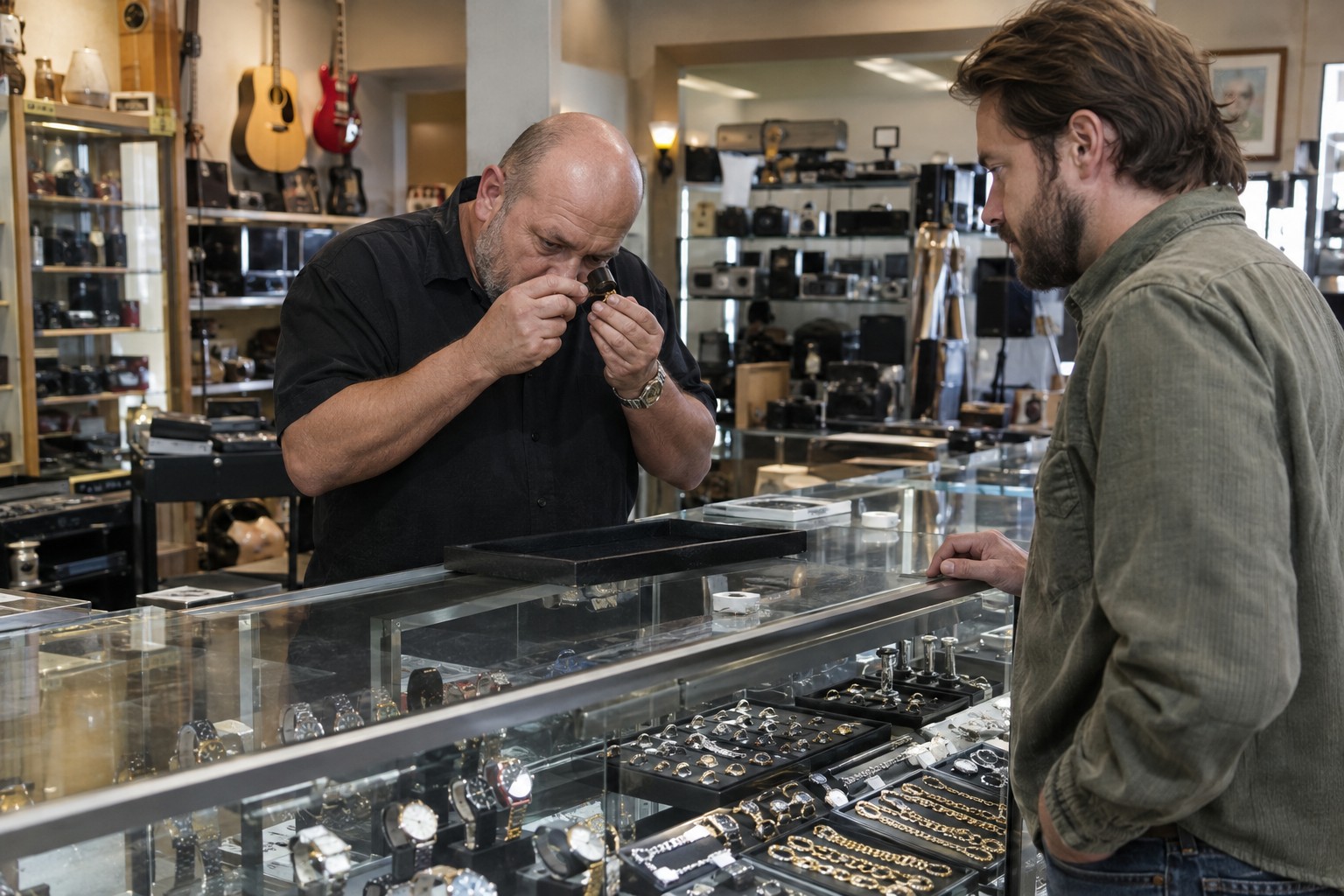
A customer pawns a ring that turns out to be stolen, and your shop can be compelled to return it to the true owner even though you had no idea, no criminal intent, and already paid out the loan. Pawn shop insurance protects your business against the theft, lending-compliance, and civil liability exposures unique to holding other people's valuables as collateral. The Allen Thomas Group structures a complete program so your shop is defended on every transaction, not just the straightforward ones.
Carriers We Represent
Why Pawn Shops Need Specialized Insurance Coverage
Pawnbroking sits at the intersection of retail, consumer lending, and secondhand goods dealing, which means a pawn shop answers to three distinct layers of regulation most other retailers never encounter. State and often municipal pawnbroker licenses are required separately from a general business license, and pawn loans themselves are consumer credit transactions subject to the federal Truth in Lending Act and its implementing Regulation Z, administered by the Consumer Financial Protection Bureau, which require clear disclosure of APR and finance charges. This isn't a theoretical compliance area: the CFPB has sued at least one major pawnbroker over alleged TILA disclosure violations.
The civil liability exposure unique to this trade is real and well established in law: if a pawned item turns out to be stolen, a pawnbroker can be compelled to return it to the true owner once ownership is resolved, even absent any criminal intent, because a thief cannot convey good title to stolen property in the first place. States address this risk at the front end with mandatory transaction reporting to local law enforcement and minimum holding periods before resale, both aimed at giving a stolen-property claim time to surface before an item is gone for good.
On top of that, pawnbrokers who deal in dealers in precious metals, stones, or jewels are classified as covered under Bank Secrecy Act recordkeeping rules, and cash transactions crossing federal reporting thresholds trigger separate filing obligations through FinCEN. Add in the physical reality of the business, cash-convertible, serial-numbered, high-value inventory sitting behind a counter, and you have a genuinely distinctive risk profile.
- State/municipal pawnbroker licensing, separate from a general retail business license
- Pawn loans are consumer credit transactions subject to TILA/Regulation Z disclosure rules
- Civil liability to return stolen property to its true owner, even absent criminal intent
- State-mandated transaction reporting and minimum holding periods before resale
- Bank Secrecy Act recordkeeping for dealers in precious metals, stones, and jewels
- FinCEN cash-transaction reporting thresholds apply to covered pawn transactions
- High-value, theft-attractive, cash-convertible inventory sitting on open display
Core Coverages for Pawnbrokers and Secondhand Lenders
A complete program layers coverage so each exposure has a clear home. Crime and burglary coverage sits at the center given the cash-convertible, serial-numbered inventory this business holds on open display, and general liability addresses premises risk from customer visits. Bailee coverage matters distinctly here too: items held as loan collateral are in your custody but not your property, and a fire, theft, or damage event affecting that collateral creates a liability to the item's owner separate from your own inventory losses.
Errors and omissions coverage can respond to disputes tied to appraisal or valuation decisions, and crime coverage should specifically address the risk of employee dishonesty given the cash and high-value goods moving through the shop daily. Workers compensation and cyber liability (given the personal and financial data collected on every pawn transaction) round out the program, and property coverage should reflect the real replacement cost of inventory on hand at any given time, which can fluctuate significantly.
We assemble these from 15-plus A-rated carriers so the structure matches your shop's loan volume, inventory mix, and whether you also operate a retail resale floor.
- Crime and burglary coverage for cash-convertible, serial-numbered inventory
- Bailee coverage for customer collateral held but not owned by the shop
- General liability for premises and third-party bodily injury/property damage
- Errors and omissions for appraisal/valuation-related disputes
- Employee dishonesty coverage given daily cash and high-value goods handling
- Cyber liability for personal and financial data collected on pawn transactions
- Property coverage reflecting fluctuating on-hand inventory replacement value
Licensing and Compliance Standards for This Industry
Pawnbroker licensing varies by state but is consistently separate from general retail licensing. Texas requires pawnshops and pawn employees to be licensed under the state Finance Code through the Office of Consumer Credit Commissioner, with a minimum net-asset requirement per location, while Florida's Pawnbroking Act requires a separate annual license for each individual location through the state Department of Agriculture and Consumer Services. Confirm your own state's specific licensing authority and requirements directly, since structures differ meaningfully.
Transaction reporting and holding-period rules are genuinely state-specific anti-fencing measures: Oregon requires pawnbrokers to record every transaction and deliver copies to local police, Kentucky requires a minimum 12-day hold before resale, and Arizona requires a minimum 90-day pawn transaction length with records retained two or more years. Florida maintains a statewide pawnbroker transaction database. Federal layers apply on top of state rules: TILA/Regulation Z governs loan disclosure, and Bank Secrecy Act/FinCEN rules apply to covered precious-metals and jewelry dealers, with cash transactions over the federal threshold triggering Currency Transaction Report filing.
The National Pawnbrokers Association maintains a state-by-state regulatory directory covering licensing authorities and pawn statutes nationwide, a useful starting point for confirming your own state's current requirements.
- State pawnbroker licensing is separate from and additional to general retail licensing
- Licensing structures vary significantly: per-location, net-asset requirements, employee licenses
- State-mandated transaction reporting and holding periods vary meaningfully by state
- TILA/Regulation Z governs pawn loan disclosure requirements federally
- BSA/FinCEN rules apply to covered precious-metals, stone, and jewelry dealers
- Federal Currency Transaction Report filing applies above the FinCEN cash threshold
- Confirm your specific state's licensing, reporting, and holding-period rules directly
Why Pawnbrokers Choose The Allen Thomas Group
The Allen Thomas Group is an independent, family-owned insurance agency founded in 2003 and licensed in 28 states. We are not tied to a single carrier, which means our advice is built around how your shop actually operates, loan volume, resale floor, precious-metals handling, rather than a generic retail template.
Our advisors compare programs across 15-plus A-rated carriers and explain the trade-offs in plain language: how bailee coverage protects customer collateral separately from your own inventory, where crime coverage needs to reflect your actual cash and high-value goods exposure, and which endorsements matter if you also buy and resell precious metals. The agency holds an A+ rating with the Better Business Bureau, and we treat each renewal as a review rather than an auto-renewal, adjusting coverage as your loan volume and inventory grow.
Above all, we act as your advocate. When a claim or a stolen-property dispute arises, you are dealing with people who understand this business, not a call-center queue.
- Independent, family-owned agency founded in 2003 and licensed in 28 states
- Access to 15-plus A-rated carriers for genuine program comparison
- A+ rating with the Better Business Bureau
- Advisory, consultative guidance built around your shop's actual loan and resale mix
- Annual coverage reviews that scale with loan volume and inventory growth
- Hands-on claims advocacy during a theft, dispute, or crime event
- Deep experience structuring programs for specialty retail and lending businesses
How Much Does Pawn Shop Insurance Cost?
There is no single published rate for this category, because pricing depends on your inventory mix (precious metals and jewelry carry different exposure than electronics or tools), loan volume, location and local crime rates, security measures in place, and claims history. A shop holding significant precious-metals inventory typically faces a different underwriting conversation than one focused on electronics and general merchandise.
Crime and burglary coverage pricing reflects your specific security measures (alarm systems, safes, surveillance) and the replacement value of on-hand inventory at any given time. Bailee coverage scales with the typical value of collateral held. Because every variable shifts the total, the only accurate figure comes from comparing real quotes across carriers, which is the exercise our advisors run for each shop.
- Inventory mix (precious metals/jewelry vs. electronics/general goods) drives pricing
- Loan volume and typical collateral value affect bailee coverage pricing
- Location, local crime rates, and security measures significantly affect crime/burglary pricing
- Claims history materially affects both property and crime coverage renewal pricing
- Whether you also operate a retail resale floor adds a distinct pricing dimension
- Cash transaction volume affects cyber and compliance-related pricing considerations
- Comparing real quotes across carriers is the only reliable way to see your actual number
Risk Management for Pawnbrokers and Secondhand Dealers
Document your identification and ownership-verification process for every transaction thoroughly, since this documentation is often the first thing reviewed if a stolen-property dispute arises later. Follow your state's mandatory holding period and law enforcement reporting requirements precisely, since these exist specifically to surface stolen-property claims before an item is resold, and a documented, consistent process is your best defense if a dispute does arise.
Maintain strong physical security, alarm systems, safes, surveillance, given the cash-convertible, serial-numbered nature of your inventory, and review your crime coverage limits against your actual typical on-hand inventory value rather than a static figure set years ago. If you handle precious metals or jewelry, confirm your BSA/FinCEN recordkeeping obligations are current and documented.
Finally, review your bailee coverage limits to reflect the real value of collateral your shop typically holds, since this exposure is separate from, and in addition to, your own inventory coverage.
- Document identification and ownership-verification processes for every transaction
- Follow state holding-period and law enforcement reporting requirements precisely
- Maintain strong physical security given cash-convertible, serial-numbered inventory
- Review crime coverage limits against actual typical on-hand inventory value
- Confirm BSA/FinCEN recordkeeping obligations are current for precious-metals dealing
- Review bailee coverage limits against typical collateral value held
- Review the full program annually as loan volume and inventory mix change
Frequently Asked Questions
What happens if I unknowingly accept stolen property as a pawn item?
A pawnbroker can be legally compelled to return the item to its true owner once ownership is resolved, even absent any criminal intent, because a thief cannot convey good title to stolen property. State-mandated holding periods and law enforcement reporting exist specifically to surface these claims before resale.
Do pawn shops need a special license beyond a general retail license?
Yes. Most states require a specific pawnbroker license, often administered separately from general retail licensing, and sometimes required per individual location. Requirements vary significantly by state, so confirm your own state's specific licensing authority.
Are pawn loans regulated like other consumer loans?
Yes. Pawn loans are consumer credit transactions subject to the federal Truth in Lending Act and its implementing Regulation Z, which require clear disclosure of APR and finance charges. The CFPB has pursued enforcement action against pawnbrokers over alleged disclosure violations.
Why do I need bailee coverage in addition to my own property insurance?
Items held as loan collateral are in your custody but not your property. Bailee coverage responds to loss or damage affecting that customer collateral, a liability exposure separate from your own inventory coverage, which only protects goods you actually own.
Do pawn shops have special reporting requirements for cash and precious metals?
Pawnbrokers dealing in precious metals, stones, or jewels are classified as covered under Bank Secrecy Act recordkeeping rules, and cash transactions exceeding federal thresholds trigger Currency Transaction Report filing requirements through FinCEN.
How much does pawn shop insurance cost?
There is no single published rate. Inventory mix, loan volume, location and security measures, and claims history all affect pricing. Comparing real quotes across carriers is the only reliable way to see an accurate figure for your shop.
Protect Your Shop With a Program Built Around Your Risk
Our advisors compare programs across 15-plus A-rated carriers to structure crime, bailee, and general liability coverage that fits your shop's actual operation. Call The Allen Thomas Group at (440) 826-3676 for a consultative review of your coverage.